
Reading Population Pyramids: What the Shape Actually Tells You
Learn how population pyramids reveal economic stage, fertility rates, and labor force composition. Malaysia’s pyramid has changed dramatically since 1980.
Read ArticleExplore the shifting population dynamics shaping Malaysia’s economic future — from dependency ratios to urbanization patterns
Population economics isn’t abstract theory. It’s the foundation for understanding labor markets, economic growth, and social planning. This collection breaks down key concepts: how we calculate dependency ratios, read population pyramids, forecast workforce participation, and measure urbanization’s real economic impact.
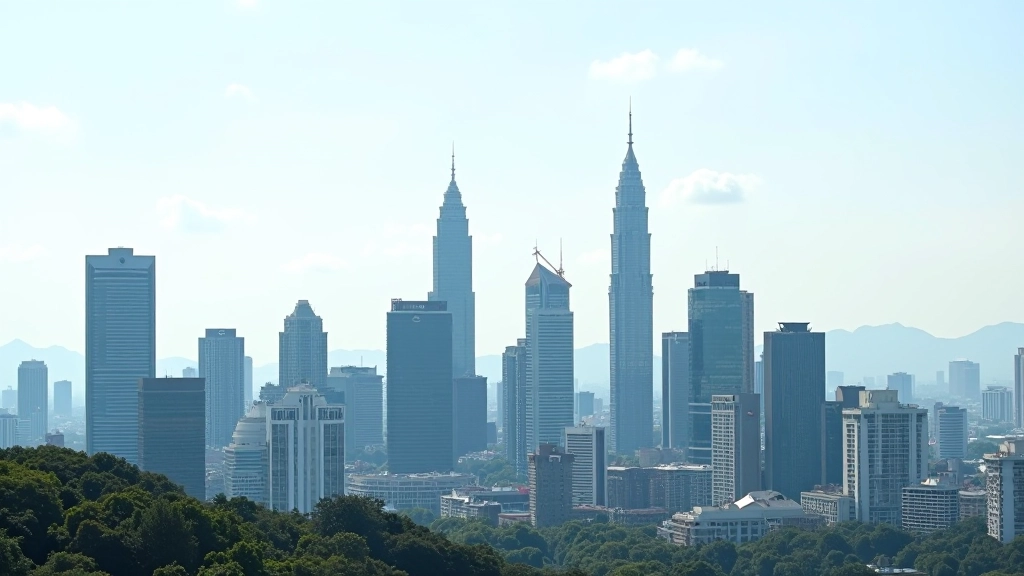
In-depth articles on population economics fundamentals and Malaysian demographic trends
Learn how population pyramids reveal economic stage, fertility rates, and labor force composition. Malaysia’s pyramid has changed dramatically since 1980.
Read Article
Dependency ratio measures working-age population against dependents. We break down the formula, explain why it matters for policy, and show real Malaysia examples.
Read Article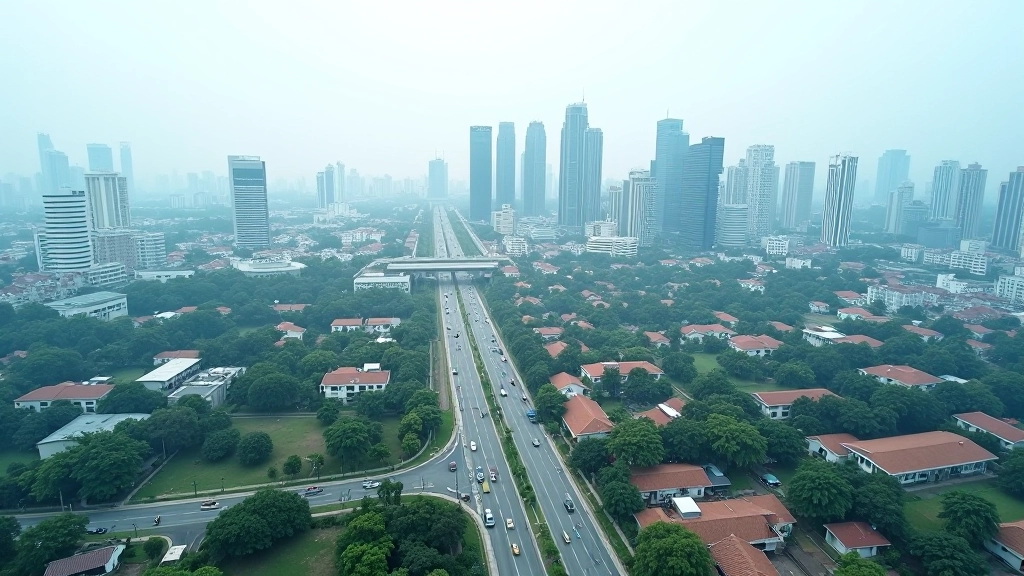
Malaysia’s urban population jumped from 26% in 1970 to over 82% today. We examine how migration reshapes wages, productivity, and regional economic development.
Read Article
Predicting who’ll work 10 years from now isn’t guesswork. We show how demographers use age cohorts, female participation trends, and retirement patterns to forecast Malaysia’s future workforce.
Read ArticleGovernments use demographic data to plan infrastructure, education, and healthcare. Malaysia’s aging population means different priorities than 20 years ago.
Companies forecast consumer demand, labor availability, and market size using population trends. A shrinking young demographic changes everything.
Pension systems, immigration policy, and social support programs all depend on understanding how populations shift. Malaysia faces real questions about its aging society.
Population movement isn’t uniform. Understanding migration patterns helps explain why some regions thrive while others struggle economically.
Quick definitions of terms you’ll encounter throughout these resources
The shift from high birth and death rates (pre-industrial) to low birth and death rates (developed). Malaysia moved through this over 50 years. Understanding which stage a country occupies predicts its economic challenges.
Average number of children per woman. Malaysia’s TFR dropped from 6.8 in 1970 to about 1.7 today. Lower TFR means fewer young people entering workforce decades later.
Ratio of young dependents (0-14) to working-age population (15-64). High ratios mean heavy education and childcare costs. Malaysia’s ratio has fallen significantly as fertility declined.
Ratio of elderly (65+) to working-age population. Rising rapidly in Malaysia. More retirees per worker means pressure on pensions and healthcare systems.
Percentage of population living in urban areas. Malaysia’s rate exceeds 82%, one of the highest in Southeast Asia. Drives different consumption patterns and labor market dynamics.
Percentage of working-age population actively employed or seeking work. Varies by gender, age, and education. Malaysia’s female participation is rising but still trails comparable economies.