
Urbanization’s Economic Impact: Migration, Labor Markets & Growth
Malaysia’s urban population jumped from 26% in 1970 to over 82% today. We examine how migration reshapes wages, productivity, and regional economic development.
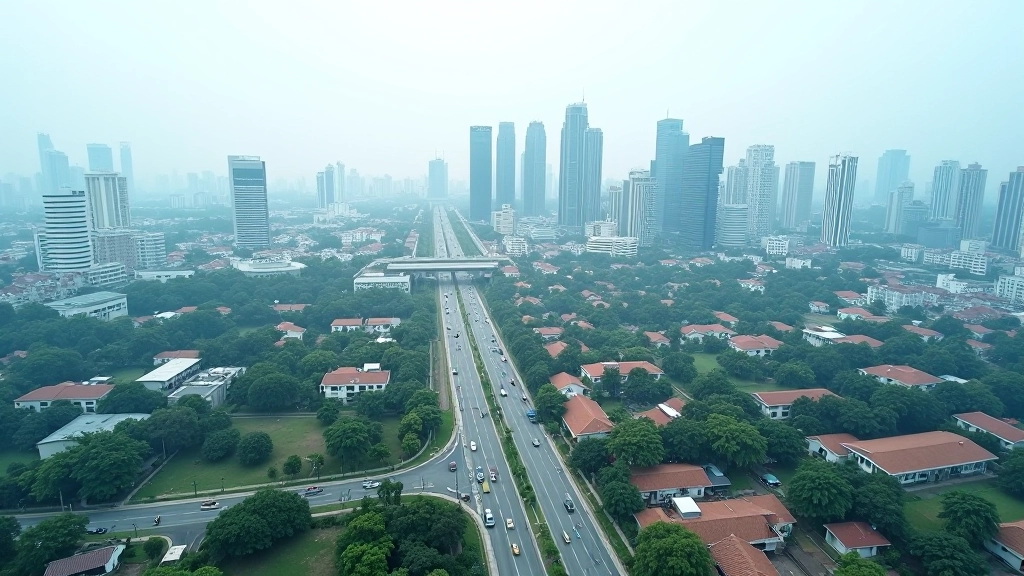
Why Cities Matter for Economic Growth
Cities aren’t just where people live — they’re economic engines. When people migrate from rural areas to urban centers, they don’t just change their address. They reshape labor markets, influence wage structures, and create new opportunities for business growth.
Malaysia’s urbanization story is particularly striking. In 1970, less than one in four Malaysians lived in cities. Today, more than four in five do. This isn’t random migration. It’s driven by real economic forces: better job opportunities, higher wages, improved services, and access to education. Understanding this shift helps us see how countries develop.
The process isn’t painless. Rural areas face population loss, while cities struggle with housing costs and infrastructure demands. Yet the data shows urban workers earn 30-40% more than their rural counterparts on average. That wage premium pulls people toward cities, creating a cycle of economic concentration.
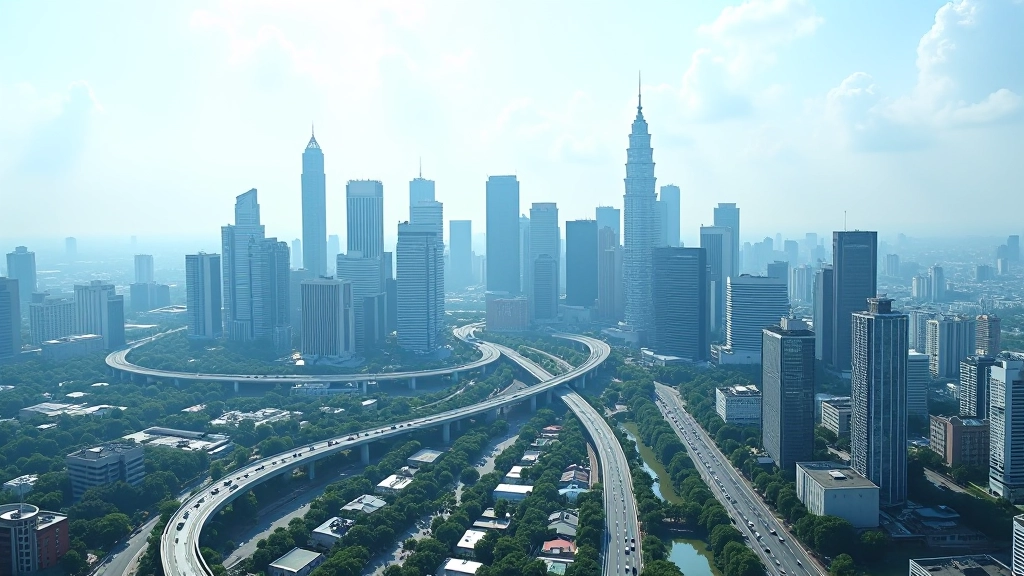
How Migration Reshapes Labor Markets
When people move to cities, they’re not just looking for any job — they’re seeking better-paying work. This creates immediate pressure on urban labor markets. More workers competing for jobs should theoretically push wages down, right? The reality’s more complex.
Cities attract migrants because employers there demand skilled workers. Manufacturing plants, service industries, financial sectors, and tech companies cluster in urban areas. These employers pay more because they’re more productive. A factory worker in Kuala Lumpur isn’t just more productive than one in a rural area — they’ve got access to better equipment, supply chains, and technology. That productivity difference justifies higher wages.
What’s really happening: urban areas create jobs faster than migrants arrive. From 2010 to 2020, Malaysia’s urban job creation outpaced rural-to-urban migration. This prevented wage collapse. Instead, we saw wage growth in both urban and rural areas, though the urban premium persisted.
The Wage Premium Reality
Urban workers in Malaysia earn approximately 35-40% more than rural workers in similar occupations. This isn’t just about job types — it reflects productivity gains from agglomeration (clustering of businesses and workers in the same area).


Agglomeration: Where Productivity Gets Real
Economists call it “agglomeration” — the economic boost that comes from businesses clustering together. When similar industries concentrate in one area, something remarkable happens. Suppliers move nearby. Specialized service providers set up shop. Workers learn from each other. Knowledge spreads faster.
Malaysia’s electronics manufacturing sector illustrates this perfectly. In the 1980s and 90s, semiconductor and electronics assembly plants concentrated in the Klang Valley (around Kuala Lumpur). This wasn’t accidental. Companies chose this location because others were already there. Supply chains were established. Workers with relevant skills clustered in the region. Engineers from competing firms ran into each other at coffee shops and shared ideas.
The productivity gains were substantial. Companies in electronics clusters were 15-25% more productive than isolated facilities. Workers learned faster because they had access to peers doing similar work. Knowledge about new techniques, machinery, and processes spread through the network. This productivity advantage translated into higher wages and business profits.
It’s not just manufacturing. Financial services, software development, design, and creative industries all benefit from clustering. Workers earn more. Businesses grow faster. Innovation accelerates. Cities become wealth-creating machines.
Regional Economic Development: Winners and Losers
Urbanization doesn’t happen evenly across a country. Certain regions attract far more migration than others. In Malaysia, this concentration is stark. Selangor (including Kuala Lumpur), Johor, and Penang account for most urban growth. Meanwhile, rural states in East Malaysia and less developed peninsular regions see population decline.
Urban Winners
Cities like Kuala Lumpur, Petaling Jaya, and Johor Bahru attract young workers seeking opportunity. They’ve got diverse job markets, better infrastructure, and higher living standards. Per capita income in these cities exceeds RM 60,000 annually. That’s roughly 2-3 times the rural average.
Businesses thrive here because they can access talent, infrastructure, and markets. Real estate values spike. Construction booms. Service industries explode. It’s a self-reinforcing cycle: more jobs attract more people, which attracts more businesses.
Rural Challenges
Rural areas lose their young, ambitious workers. The ones who stay tend to be older, with lower education levels. Agriculture and traditional industries can’t compete with urban wage offers. Schools struggle with enrollment decline. Healthcare facilities lose patients.
This creates a vicious cycle. Fewer young people means less innovation. Without innovation, job opportunities shrink further. Talented individuals who could revitalize the region are already in cities. Breaking this pattern requires intentional policy — not just hoping people will stay.
Intermediate Towns
Some regional cities — like Ipoh, Kuching, or Melaka — grow moderately. They’re not megacities, but they’re not declining either. These towns often serve as regional hubs, attracting migrants from immediately surrounding rural areas. They offer urban amenities without megacity costs.
Growth here is slower and steadier. Job markets are less diverse. Wages are lower than major cities but higher than rural areas. These towns play an important transition role in the urbanization process.
The Labor Force Transformation
Urbanization fundamentally changes the nature of work. Rural economies rely heavily on agriculture — work that’s seasonal, physically demanding, and dependent on weather. Urban economies demand different skills: customer service, technical knowledge, administrative competence, problem-solving abilities.
This shift has been dramatic in Malaysia. In 1970, nearly 50% of the workforce was in agriculture. Today, it’s less than 10%. Manufacturing and services now dominate. The jobs that replaced agriculture require more education and training. A rubber tapper’s child becomes a factory supervisor’s child becomes an engineer. That’s three generations of economic mobility, driven by urbanization.
But here’s the tension: not everyone can make this transition easily. A 45-year-old farmer can’t become a software developer. Skill mismatches create friction in labor markets. During rapid urbanization, this causes temporary unemployment and underemployment. Some workers get left behind. This explains why urbanization, despite creating prosperity overall, often increases inequality.
“Urban workers don’t just earn more money — they gain access to a fundamentally different set of opportunities. That’s the real economic power of cities.”

What’s Next: Urbanization in 2030 and Beyond
Malaysia’s urbanization isn’t finished. Current projections suggest urban population will reach 87-90% by 2030. That’s still room for significant rural-to-urban migration. But the dynamics are changing.
Digital Disruption
Remote work technology is changing the urbanization equation. Why move to expensive Kuala Lumpur if you can work for a Kuala Lumpur company from a cheaper regional town? This could slow concentration in megacities. It might revitalize intermediate towns by giving them access to high-wage jobs.
Infrastructure Investment
High-speed rail connecting cities could redistribute economic activity. Instead of everyone moving to the megacity, workers could live in smaller towns and commute to urban jobs. This requires substantial infrastructure investment but could reduce pressure on overheated housing markets.
Skill Development
The biggest challenge ahead is skills. As urbanization slows and rural areas deplete, Malaysia will need to invest heavily in education and training for remaining rural workers. Without this, rural decline will accelerate, creating regional inequality problems.
Sustainability Questions
Can cities absorb more people without becoming unlivable? Housing costs in Kuala Lumpur have tripled in 15 years. Traffic congestion costs the economy billions annually. Environmental degradation accelerates. Future urbanization must be sustainable, not just economically efficient.
The Takeaway: Urbanization as Economic Engine
Malaysia’s urbanization isn’t a story of random migration. It’s the result of rational economic decisions. People move to cities because they earn more, access better services, and find more opportunities. Businesses cluster in cities because they’re more productive together. Cities concentrate capital, talent, and innovation.
This process has lifted millions out of poverty and created one of Southeast Asia’s most developed economies. The wage premiums are real. The productivity gains are measurable. The quality-of-life improvements are tangible.
But urbanization also creates challenges: regional inequality, housing affordability, infrastructure strain, and social friction. Understanding these trade-offs — both the benefits and costs — is essential for policymakers designing Malaysia’s future. The city isn’t just an economic machine. It’s a place where people live, raise families, and build communities.
As Malaysia continues urbanizing, the question isn’t whether cities are good for the economy. The evidence is clear: they are. The real question is how to manage this transformation so prosperity is shared widely and cities remain livable for everyone.
About This Article
This article presents educational information about urbanization’s economic impacts in Malaysia. The data and trends discussed are based on published research and government statistics. Economic patterns vary by region and change over time. Individual experiences with migration and employment differ substantially from aggregate trends. This content is for informational purposes — not economic advice for personal decisions. For specific guidance on employment, relocation, or economic matters affecting your situation, consult relevant professionals or local authorities.